05 November 2025
Building Sustainable Aquaculture Through Smart Technology
Sustainability has become one of the most important priorities for the global aquaculture industry. As fish farming continues to expand to meet growing food demand, it is essential that production methods protect aquatic ecosystems while maintaining economic viability for farmers.
Sustainable aquaculture focuses on balancing three key goals: environmental protection, efficient resource use, and long-term profitability.
Traditional fish farming practices can sometimes lead to environmental challenges if not managed carefully. Excess feed, poor water quality, and disease outbreaks can negatively impact surrounding ecosystems and reduce the productivity of the farm itself. Addressing these challenges requires better monitoring, improved management practices, and the adoption of smarter technologies.
Smart aquaculture technologies are helping farmers achieve more sustainable operations by providing detailed insights into their farms.
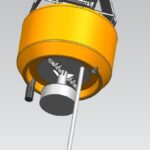
For example, underwater monitoring systems allow farmers to observe fish feeding behavior more closely, helping them determine the optimal feeding quantities. This reduces feed waste and prevents uneaten feed from accumulating in the water, which can degrade water quality.
Environmental monitoring sensors can track important parameters such as water temperature, oxygen levels, and other indicators that influence fish health. When changes occur, farmers can respond quickly to maintain stable conditions for their fish populations.
Technology also plays an important role in disease prevention. Early detection of abnormal fish behavior allows farmers to address potential health issues before they spread throughout the farm. This reduces the need for excessive treatments and helps maintain healthier fish populations.
At ExypnoTech, we believe that innovation and sustainability must go hand in hand. Our goal is to develop intelligent aquaculture technologies that support both productive farming and environmental responsibility.
By equipping fish farmers with real-time monitoring tools and advanced data insights, smart aquaculture systems enable more efficient resource use, improved fish welfare, and better long-term outcomes for farms and ecosystems alike.
As the aquaculture industry continues to grow, sustainable practices supported by modern technology will play a critical role in ensuring that fish farming remains a reliable and environmentally responsible source of food for the world.